
Wilmoth Law Blog
How Bankruptcy Affects Rental Agreements and Leases
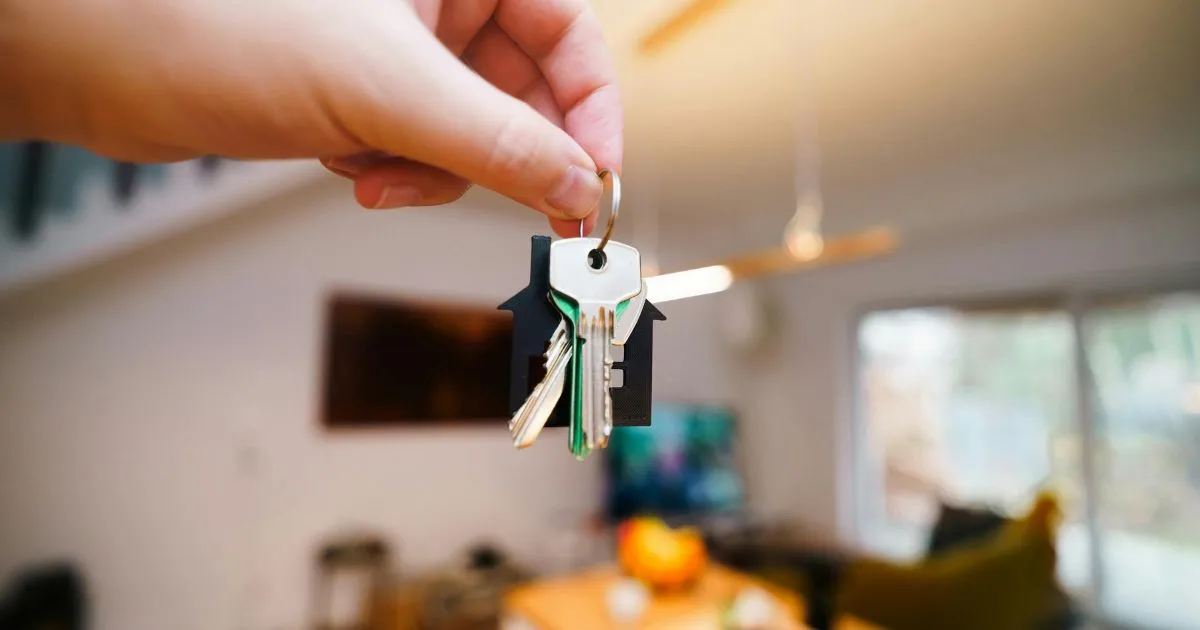
Filing for bankruptcy brings relief from overwhelming debt, but it also raises questions about housing stability. Many people worry about whether they can keep their rental or if their landlord will terminate their lease.
Renters facing financial hardship need to know how bankruptcy proceedings impact their current living situation and what rights they have as tenants. The relationship between bankruptcy law and rental agreements depends on several factors, including the type of bankruptcy filed and whether rent payments are current.
Can I Keep My Apartment if I File for Bankruptcy?
Yes, you can typically keep your apartment during bankruptcy if you remain current on rent payments and cure any arrears. The automatic stay that takes effect when you file stops most collection actions, including eviction proceedings for non-payment of rent that occurred before filing.
However, in Chapter 7, you must pay any back rent within 30 days of filing to keep the apartment. If your landlord already obtained an eviction judgment before you filed, they may continue with the eviction in some circumstances.
What Happens to My Lease Agreement During Bankruptcy?
Your lease remains a valid contract during bankruptcy proceedings. In Chapter 7, the bankruptcy trustee has 60 days to decide whether to assume your lease, though trustees rarely assume residential leases. After the trustee rejects the lease or the 60-day period expires, you can assume it by notifying your landlord in writing and paying any back rent within 30 days.
In Chapter 13, you can assume or reject the lease any time before your repayment plan receives court confirmation, typically three to five months after filing.
Will My Landlord Know I Filed for Bankruptcy?
Yes, your landlord will receive notice of your bankruptcy filing. Federal law requires notifying all creditors, which includes landlords, if you owe back rent or have an ongoing lease. The landlord appears on your creditor list and receives official court documents. They have the right to participate in the bankruptcy proceedings and may object to your plan if you owe them money.
Can I Be Evicted During Bankruptcy?
Eviction can still occur during bankruptcy under certain conditions. If you fail to pay current rent after filing, your landlord can request relief from the automatic stay to proceed with eviction. Additionally, if the eviction is based on endangering property or illegal drug use, different rules apply that may allow the eviction to continue despite bankruptcy protection.
Does Bankruptcy Eliminate Past Due Rent?
Chapter 7 bankruptcy can discharge unpaid rent that accumulated before you filed; this means you may not owe that debt after your case concludes. However, this applies only to pre-filing debts. Any rent that comes due after filing must be paid on time. In Chapter 13 bankruptcy, past due rent may be included in your repayment plan over three to five years.
What About Security Deposits?
Security deposits are typically not affected by bankruptcy. If your landlord is holding a deposit, it remains their property subject to state landlord-tenant laws. When you eventually move out, the deposit should be returned according to your lease terms and state regulations. The bankruptcy does not give you immediate access to this money or change how it is handled.
Can I Sign a New Lease After Filing Bankruptcy?
You can sign a new lease after filing for bankruptcy, though it may be more challenging. Landlords check credit reports and may be hesitant to rent to someone with a recent bankruptcy; some require larger deposits or co-signers. Being honest about your situation and demonstrating a stable income can help. Your bankruptcy status does not legally prevent you from renting.
Our Experienced Fayetteville Bankruptcy Lawyers at Wilmoth Law Firm Are Ready to Help You Move Forward
Bankruptcy can affect rental agreements, and our Fayetteville bankruptcy lawyers at Wilmoth Law Firm are ready to offer you sound legal guidance on these matters. Call 479-443-8080 or complete our online form today for a free consultation. Located in Fayetteville, Arkansas, we serve clients in the surrounding area.