
Wilmoth Law Blog
Divorce vs. Legal Separation in Fayetteville: What Is the Difference?
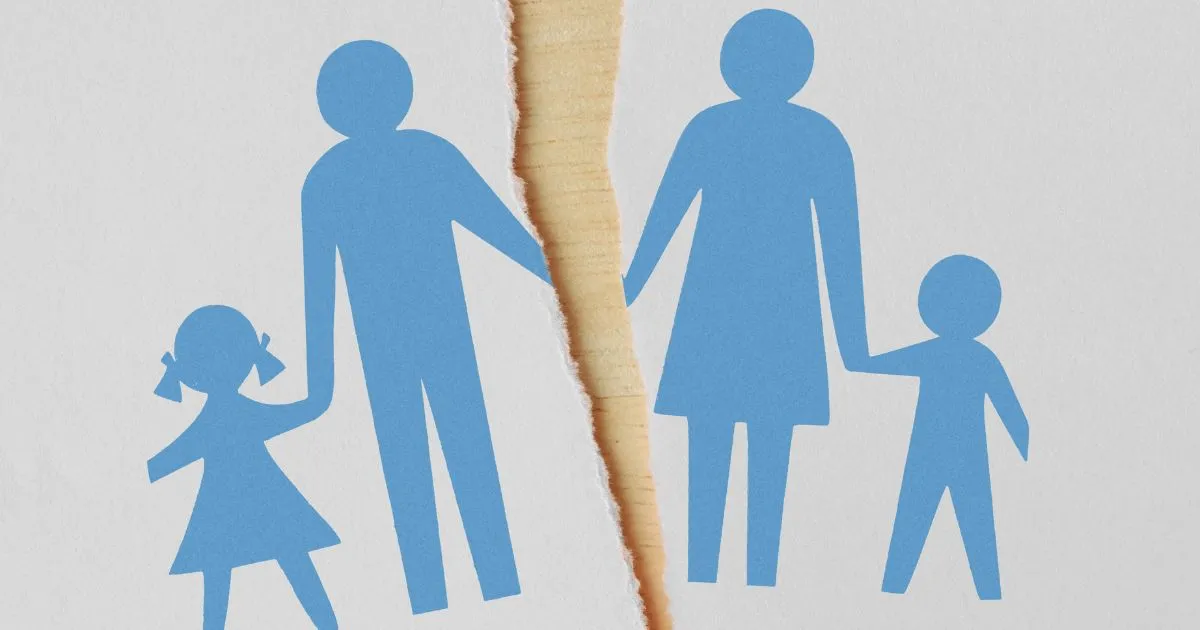
Divorce and legal separation share many similarities, but they lead to different outcomes for marriages. Each path carries its own emotional and financial implications – deciding which is best depends on your personal values, financial priorities, and family dynamics.
What Is a Divorce?
“Divorce” legally dissolves a marriage, meaning both parties are free to remarry once the court finalizes the process. The process typically involves decisions on alimony, child custody, visitation, and division of assets and debts. Once granted, divorce marks the legal and final end of the marital relationship.
What Is a Legal Separation?
“Legal separation” is an official court-recognized arrangement in which married spouses live apart while remaining legally bound. This option allows spouses to address financial support, property division, and parental responsibilities without terminating the marriage. Some couples choose this route for religious reasons, financial benefits, or the possibility of reconciliation.
How Do Property and Finances Differ Between the Two?
In both legal separation and divorce, the court determines how property and debts are divided. However, during legal separation, spouses maintain certain marital rights that end with divorce. For instance, separated spouses may still be entitled to certain benefits such as health insurance or tax considerations. Divorce severs all marital ties, so property ownership and financial responsibilities are permanently divided.
What Happens to Child Custody and Support?
Both options require custody and support arrangements for children; Arkansas courts prioritize the child’s best interests in both situations. A legal separation decree establishes temporary arrangements, which can later be modified if the parties decide to divorce. In a divorce, custody and support orders are finalized, although they can still be revisited under certain circumstances. The key difference lies in the permanence of the orders and the continuing legal connection between the parents.
Are There Benefits to Choosing Legal Separation?
Legal separation may appeal to those who are not ready to permanently dissolve their marriage. It can provide financial stability by maintaining certain shared benefits and allowing time for reflection or counseling. For some, it also aligns with personal or religious beliefs that discourage divorce. Additionally, legal separation can give spouses space to live independently while still cooperating on parenting or financial matters.
When Might Divorce Be the Better Option?
Divorce may be preferable when reconciliation is unlikely or when both parties wish to move forward independently. It provides a clear legal and emotional break, which can be important for those seeking closure. Divorce also allows each person to remarry, update estate plans, and manage finances without connection to a former spouse. For individuals who prefer finality and independence, divorce provides a definitive resolution.
How Long Do These Processes Take?
The timeline for either process depends on the circumstances and level of agreement between the parties. An “uncontested” divorce or separation can be resolved relatively quickly, while “contested” cases involving disputes over custody or property may take longer.
Can a Legal Separation Be Converted Into a Divorce?
Yes, if one or both parties decide that reconciliation is not possible. The existing separation decree can serve as a framework for divorce, often simplifying the process. Many individuals use legal separation as a transitional stage before making a final decision about their marriage. This flexibility can make it a valuable legal option for those who need time to decide their future.
Do I Need Legal Representation?
Both divorce and legal separation involve significant legal and financial considerations. An experienced divorce lawyer can protect your rights, clarify obligations, and present a strong case in court if disputes arise. They can also draft fair agreements and address long-term financial and parental arrangements. The right guidance is key to achieving a resolution that supports long-term stability and peace of mind.
You Can Rely on an Experienced Fayetteville Divorce Lawyer at Wilmoth Law Firm to Protect Your Interests
If you need legal guidance with a separation or divorce, contact a Fayetteville divorce lawyer at Wilmoth Law Firm. For a free consultation, call today at 479-443-8080 or complete our online form. Located in Fayetteville, Arkansas, we gladly serve clients in the surrounding areas.